
 English
 Español
Inconsistent print quality and unplanned downtime on screen printing lines are rarely caus...
 Jul 01,2026 Jun 01 , 2026
Purchasing a new finishing machine often begins with glossy brochures and headline speeds, but what really determines daily output and scrap rate are the engineering details beneath the cover panels. A machine that looks competitive on a specification sheet can underperform if roller hardness, tension control, or thermal stability are mismatched to the actual job mix. For production teams, the difference between hitting yield targets and absorbing unplanned downtime frequently comes down to a handful of technical parameters evaluated before the order is placed. Understanding what to measure—and why—can directly impact profitability. When you start comparing high-volume film lamination systems, it’s essential to look past marketing claims and focus on repeatable, verifiable performance data. Explore the engineering behind high-volume film lamination systems.
The following seven specifications form a practical framework for technical evaluation. Each one addresses a known point of failure in real-world production environments.
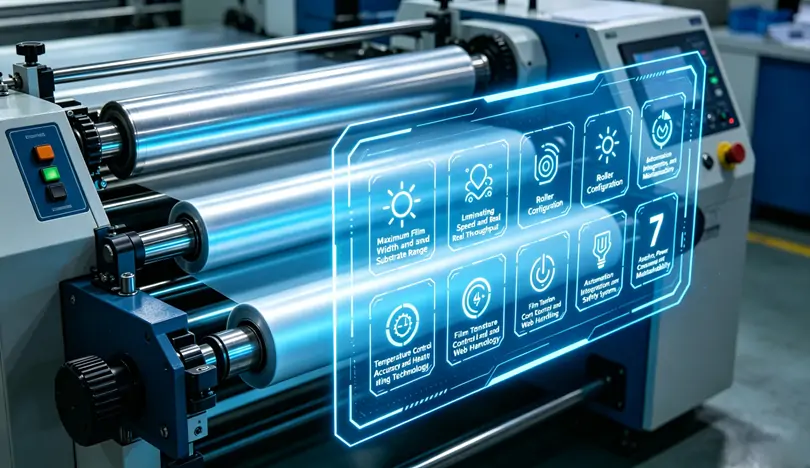
The rated maximum film width dictates not only the largest sheet you can laminate but also the machine’s ability to maintain edge-to-edge pressure uniformity. More importantly, the substrate range—minimum and maximum thickness, and the type of films supported (BOPP, PET, pre-coated thermal films)—determines job flexibility. Manufacturers publish a nominal width, but the usable working width is often narrower when running thin or high-slip films. Checking the minimum substrate thickness is critical: some designs struggle to transport materials below 80 gsm without creasing, while others have dedicated thin-film paths that minimise wrinkling. A request for a substrate compatibility matrix clarifies whether a given model aligns with your typical orders.
“Maximum mechanical speed” is measured under no-load conditions without film tension or heat stabilisation. The sustainable production speed, at which bond strength and visual quality remain consistent, may be 20–30% lower. Two factors influence real throughput: acceleration ramp time and the machine’s ability to maintain process stability during speed changes. Short-run shops, in particular, benefit more from rapid ramp-up and ramp-down than from an extreme top speed that is rarely reached. Independent test data or a speed-versus-bond-strength chart provides a more accurate picture than a single catalogue number.
[Image: Close-up of a PID temperature controller and speed readout on an industrial laminator control panel]
Laminating rollers are specified by Shore A hardness, typically ranging from 60 to 90. Softer rollers conform better to textured stocks and absorb minor calliper variations, while harder rollers produce high-gloss finishes on smooth substrates but are less forgiving of thickness changes. The method of gap adjustment directly affects long-term consistency: manual screw-based systems can develop uneven wear patterns, whereas servo-driven or pneumatic closed-loop designs maintain micron-level accuracy across the full width. Machines with independently controlled pressure zones give operators the flexibility to compensate for slight roller deflection, a common issue on wider formats. Examining precision roller laminating configurations helps you understand how mechanical design choices translate into day-to-day output quality. Review precision roller laminating configurations
Thermal lamination relies on activating an adhesive layer within a narrow temperature window. For EVA-based thermal films, deviations of just ±3 °C can cause incomplete bonding or heat-induced film shrinkage. Oil-based circulation systems offer even heat distribution across the roller surface and are preferred for wider machines, but they add maintenance complexity. Electric cartridge heating responds faster to setpoint changes, yet requires a well-engineered roller shell to avoid hot spots. A multi-zone PID controller with independent over-temperature alarms and an automatic standby mode during idle periods protects both the product and the roller surface, reducing scrap during starts and stops.
Tension fluctuations are a primary cause of wrinkles, telescoping rolls, and adhesive transfer onto rollers. Closed-loop tension control, using load cells on unwind and rewind shafts, continuously adjusts brake or motor torque as roll diameter changes. The accuracy of this system is often specified in Newtons; a machine that maintains tension within ±2 N delivers noticeably less edge curl and film neck-in than one that swings by ±8 N. Ultrasonic web guides further correct lateral misalignment, especially beneficial when laminating multi-layer structures where material stiffness differs between layers.
Full automation extends well beyond single-button cycle start. Features to examine include automated splice tables for non-stop roll changes, film-break detection that triggers an immediate stop before adhesive touches the roller, and automatic sheet alignment for registered lamination. From a safety perspective, SIL-rated light curtains, emergency stop circuits compliant with ISO 13849, and CE certification provide verifiable benchmarks. For facilities moving toward smart manufacturing, communication protocols such as OPC UA enable the laminator to feed production counts, downtime logs, and temperature data into an MES or ERP system. When you compare integrated laminating solutions, the software and connectivity layer often determines how efficiently the machine fits into a wider digital workflow. Compare integrated laminating solutions
[Image: Safety light curtain and emergency stop button location highlighted on a laminating machine guard]
A 1,600 mm laminator can require 40–60 square meters including service clearances, but the practical footprint is defined by material flow direction—inline or L-shaped—and access requirements for electrical cabinets. Power consumption varies significantly between heating methods and between models with similar output ratings, sometimes by 25% or more. Requesting a utility consumption estimate per 1,000 square meters of output allows for an apples-to-apples comparison. Maintainability is equally important: if the laminating roller extraction path is obstructed by the unwind unit, a routine roller re-grind becomes a two-day project. Cantilevered roller designs and tool-less guard removal reduce mean time to repair, and a reference site’s maintenance log offers more insight than a theoretical MTBF value.
A side-by-side matrix that captures film width, sustainable speed, roller hardness and pressure control, temperature accuracy, tension tolerance, safety certifications, and utility consumption provides a fact-based foundation for the purchase decision. Rather than chasing the highest number in each category, match the machine’s design strengths to the most frequent jobs in your production schedule. A configuration optimised for heavy board stock may not handle thin flexible packaging well, and vice versa. For those seeking to streamline the evaluation process, HONGQIANG’s engineered film laminating systems are built around these seven engineering priorities, and their technical team provides a pre-sale production assessment that maps your job mix directly to the correct configuration. Discover HONGQIANG’s engineered film laminating systems
Disclaimer: The specifications discussed represent general industry selection criteria and should be verified against each manufacturer’s technical documentation under your specific operating conditions.
Jul 01,2026Jun 24,2026Jun 15,2026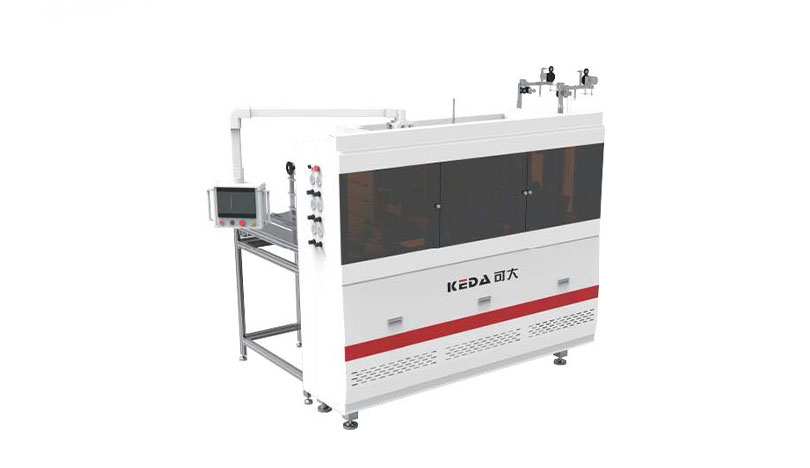
40 pcs/min Production Speed
Φ5mm (Customizable) Rope hole Dia
110mm Hand rope length
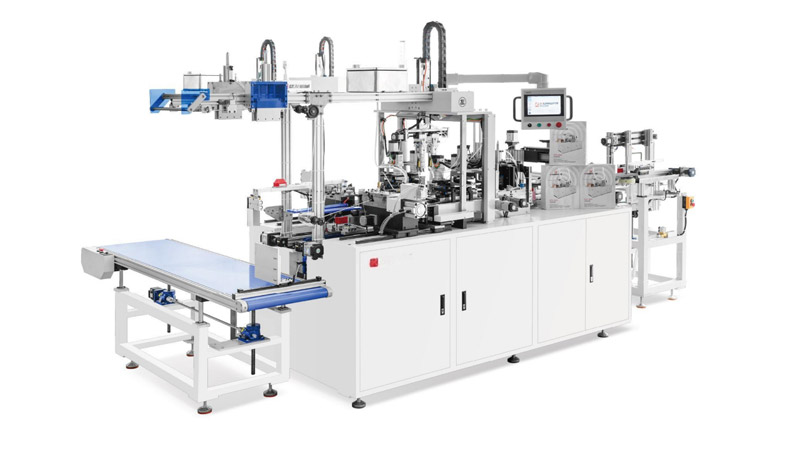
35-45 pcs/min Production speed
30-130mm Width Tag size
60-130mm length Tag size
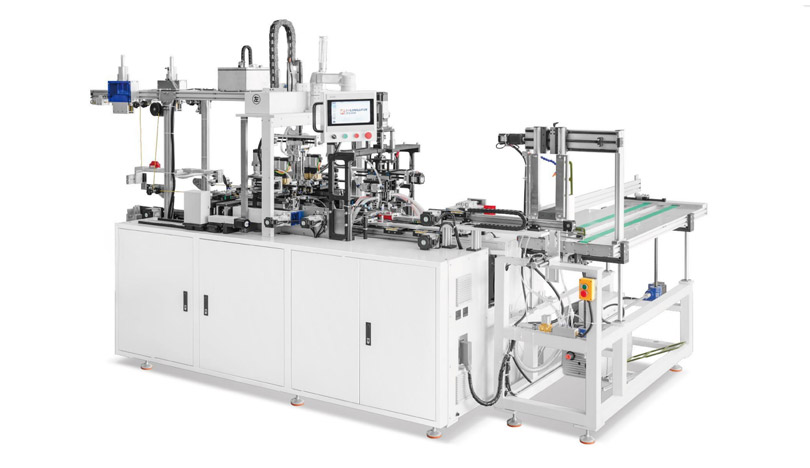
40-50pcs/min Production speed
50-220mm Paper bag hole distance
300-480mm (Including rope tension) Rope length
-Full-Automatic-Paper-Handbag-Buckle-Threading-Machine.jpg)
40-50pcs/min Production speed
75-170mm Paper bag hole distance
300-480mm Rope length
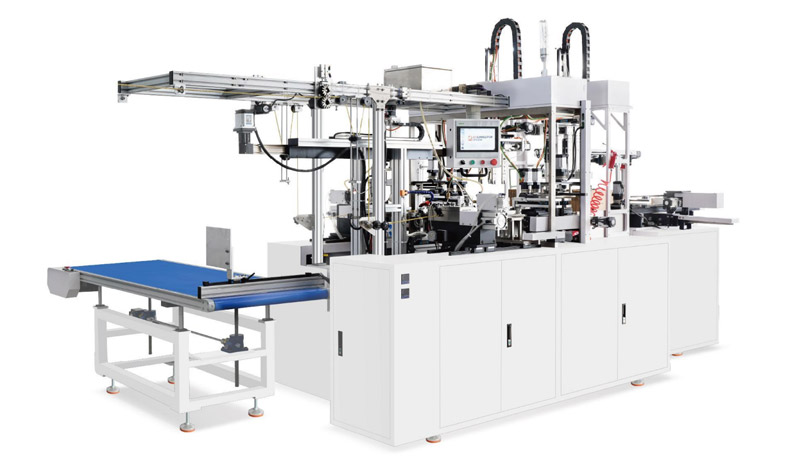
35-40 pcs/min Production speed
65-200mm Hole distance
340-520mm (Including rope tension) Rope length
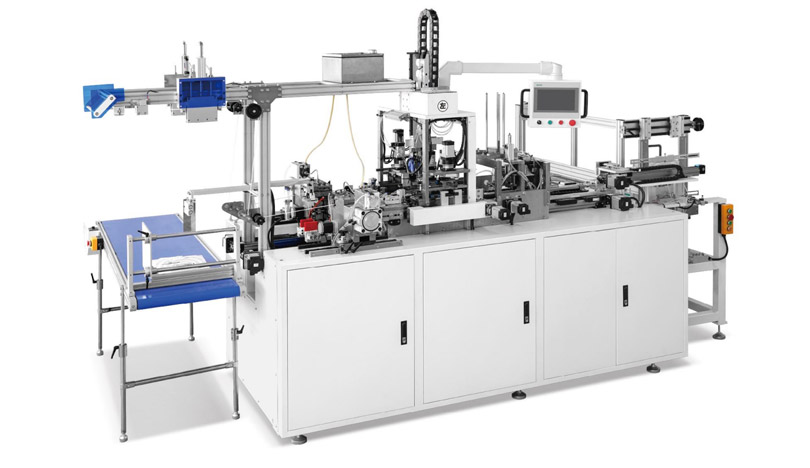
35-50 pcs/min Production speed
68-170mm Paper bag hole distance
300-480mm Rope length


Analysis
Consultation
Solution proposal
Quote
GET A QUOTE


E-Mail : [email protected]

Wechat / WhatsApp / Cell :+86- 13587960872

Adress :No. 508, East Third Road, Gexiang High tech Industrial Park, Rui'an City, Zhejiang Province China
Get in Touch
Copyright2024. Ruian Hongqiang printing Machinery CO. LTD. All Right Reserved SiteMap