
 English
 Español
The laminating machinery landscape is entering a period of structural change. According to...
 Jun 15,2026 Jun 15 , 2026
The laminating machinery landscape is entering a period of structural change. According to Mordor Intelligence, the global market for laminating equipment was valued at approximately USD 1.8 billion in 2024 and is expected to surpass USD 2.2 billion by 2029, reflecting a compound annual growth rate of just over 4%. This growth is not evenly distributed—regional consumption patterns, raw material regulations, and the pace of digital printing adoption are reshaping what converters and packaging buyers expect from their finishing lines. An automatic laminating machine represents a major capital commitment, and its specification must be viewed through the lens of these long-term shifts.
Three macro forces are driving equipment orders. The first is the expansion of flexible packaging in food, pharmaceutical, and e-commerce sectors. As brands replace rigid containers with multi-layer pouches and wraps, the volume of film-to-paper and film-to-film lamination rises. Asia-Pacific, led by India and Southeast Asia, accounts for the largest share of new installations, while mature markets in Europe and North America are replacing older electromechanical lines with servo-driven, data-ready equipment.
The second driver is the shortening of print runs. Digital printing now represents a growing share of label and folding carton production, and laminators must pivot between jobs faster. The third factor is regulatory pressure on single-use plastics, which is accelerating adoption of mono-material barrier films that require tighter process control during lamination.
The next four years will see laminating equipment converge around a few technical themes. Thermal lamination with water-based or solvent-free adhesives is gaining ground as converters seek to eliminate VOCs and comply with regulations like the EU’s Industrial Emissions Directive. This shift demands machines with more precise temperature zoning and faster warm-up cycles.
Connectivity is another defining trend. A growing number of production facilities are implementing OPC UA and MQTT protocols to pull real-time data from finishing equipment into manufacturing execution systems. When comparing high-volume film lamination systems, the ability to log process parameters per job and trigger predictive maintenance alerts is becoming a differentiator, not a luxury. See how high-volume film lamination systems integrate these capabilities.
Automation in material handling is also advancing. Automated splice tables, non-stop roll changeovers, and inline quality inspection with camera-based defect detection reduce labour dependence—a critical factor in regions facing operator shortages. These features directly impact overall equipment effectiveness (OEE) and are increasingly cited in procurement criteria.
Not all markets prioritise the same features. In fast-growing Asian economies, price-competitiveness and wide substrate compatibility top the list. A laminator must handle everything from 60 gsm paper to heavy board without tool-intensive changeovers. In Europe, energy consumption per square meter and compliance with CE safety standards are decisive. North American buyers focus on service responsiveness and connectivity with existing digital workflows.
This fragmentation means that a machine designed for one region’s typical job mix may be over-engineered or under-equipped for another. Evaluating precision-engineered laminating equipment that can be configured for regional requirements, rather than a one-size-fits-all design, reduces the risk of purchasing a mismatched asset. Explore a precision-engineered laminating equipment option.s
The 2026-2030 outlook carries practical implications for anyone preparing a capital expenditure request today. First, total cost of ownership models must account for energy prices and the rising cost of waste disposal. Machines that minimise adhesive waste and consume less power during idle periods will widen their cost advantage over the equipment’s 10- to 15-year lifespan. When you choose an automatic laminating machine now, its idle-mode efficiency and maintenance access design will affect profitability long after the initial purchase price is forgotten.
Second, compatibility with emerging film structures matters. Mono-material high-barrier films often require lower and more uniform lamination temperatures to avoid distorting the substrate. If a laminator cannot hold ±2 °C across its entire roller width, it will struggle with tomorrow’s sustainable packaging requirements.
Third, digital integration should be treated as a baseline, not an upgrade. Even if your plant is not yet running an MES, the laminator should be capable of providing OEE metrics, job-level material usage data, and remote diagnostic access so you are not forced into a retrofit later. For converters that aim to grow with these market trends, taking a closer look at integrated laminating solutions that are already aligned with Industry 4.0 principles can accelerate the payback period and simplify workforce training. Compare integrated laminating solutions built for evolving production environments.
An automatic laminating machine purchased today will likely still be in operation in 2035. The market trends shaping the next half-decade—sustainable films, data-driven maintenance, labour-saving automation—are not speculative; they are already visible in tender documents and regulatory proposals. By weighting your selection criteria toward energy efficiency, substrate flexibility, and native connectivity, you transform a routine equipment replacement into a competitive advantage.
For organisations seeking laminating systems designed with these long-term trends in mind, HONGQIANG’s engineered laminating solutions incorporate modular automation, closed-loop thermal control, and OPC-UA-ready architectures, supported by an application team that maps the equipment configuration to your projected job mix. Discover HONGQIANG’s engineered laminating solutions built for 2026 and beyond
Disclaimer: Market data cited is derived from publicly available industry reports and represents general market estimates. Equipment purchasing decisions should be based on your specific production requirements and confirmed directly with equipment manufacturers.
Jun 15,2026Jun 09,2026Jun 01,2026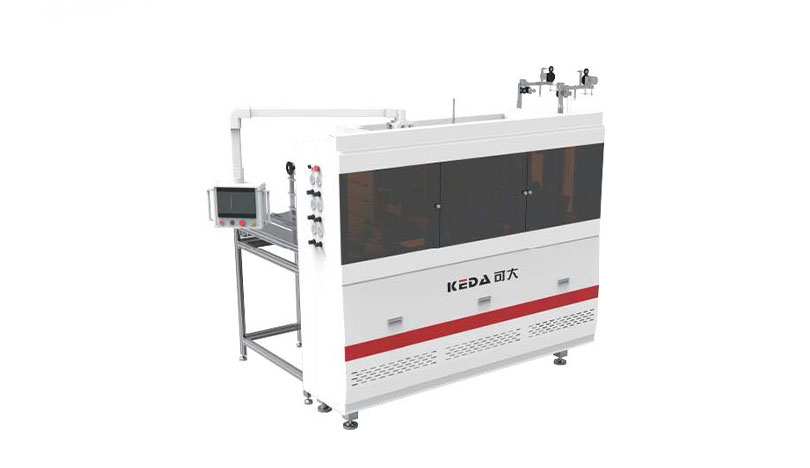
40 pcs/min Production Speed
Φ5mm (Customizable) Rope hole Dia
110mm Hand rope length
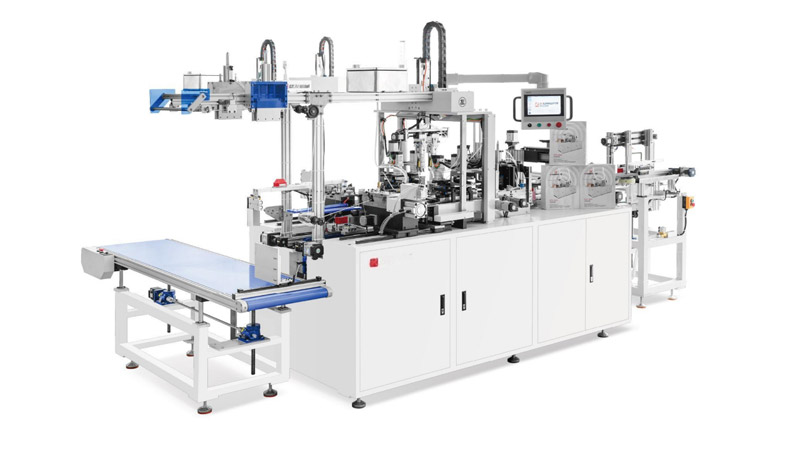
35-45 pcs/min Production speed
30-130mm Width Tag size
60-130mm length Tag size
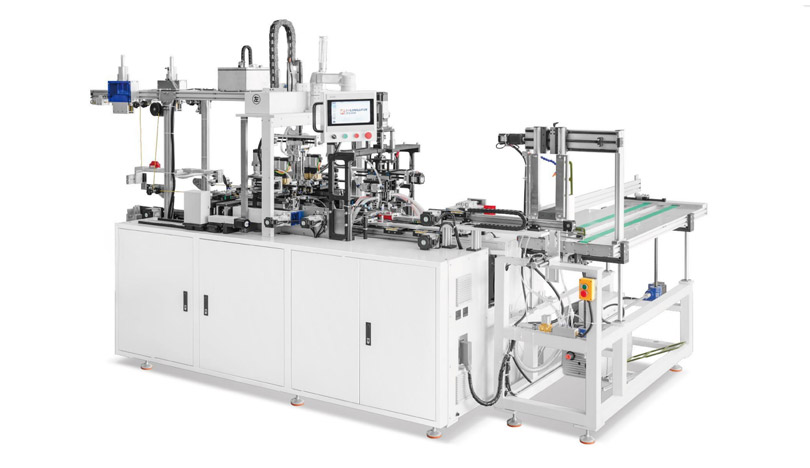
40-50pcs/min Production speed
50-220mm Paper bag hole distance
300-480mm (Including rope tension) Rope length
-Full-Automatic-Paper-Handbag-Buckle-Threading-Machine.jpg)
40-50pcs/min Production speed
75-170mm Paper bag hole distance
300-480mm Rope length
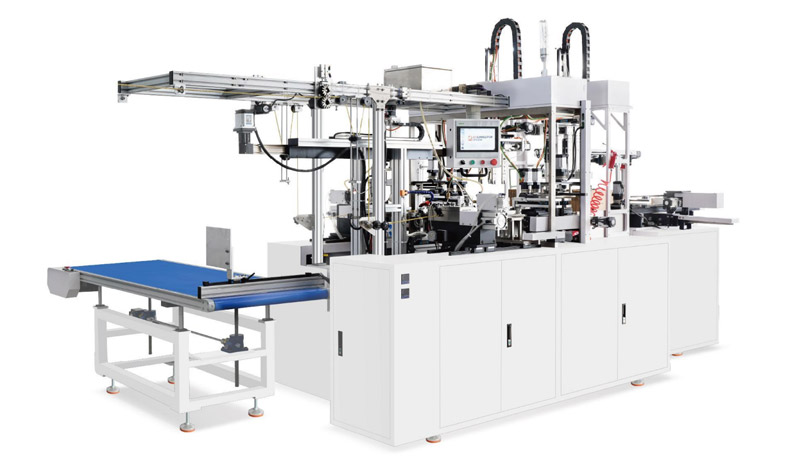
35-40 pcs/min Production speed
65-200mm Hole distance
340-520mm (Including rope tension) Rope length
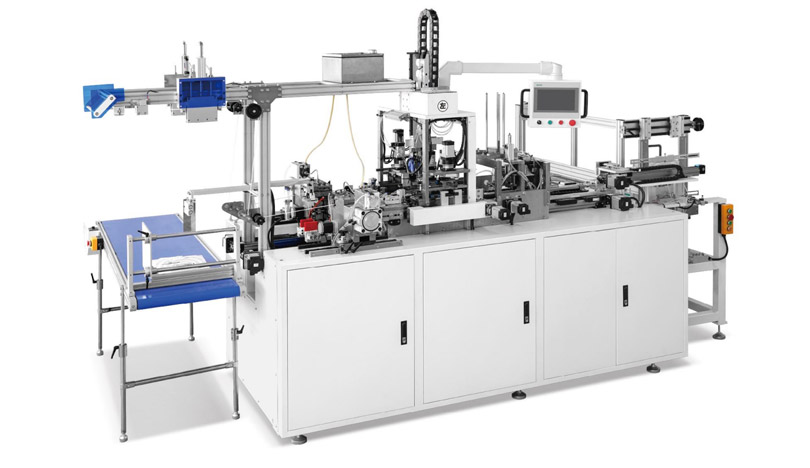
35-50 pcs/min Production speed
68-170mm Paper bag hole distance
300-480mm Rope length


Analysis
Consultation
Solution proposal
Quote
GET A QUOTE


E-Mail : [email protected]

Wechat / WhatsApp / Cell :+86- 13587960872
Get in Touch
Copyright2024. Ruian Hongqiang printing Machinery CO. LTD. All Right Reserved SiteMap
