
 English
 Español
Inconsistent print quality and unplanned downtime on screen printing lines are rarely caus...
 Jul 01,2026 Jun 09 , 2026
Shift after shift, small oversights in cleaning and inspection gradually erode the consistency of a laminating line. A little adhesive residue left on a roller today becomes a crease defect tomorrow. Tension drift that goes unchecked for a week turns into web breaks during a rush order. Yet daily maintenance doesn’t require an engineering degree—it requires a clear checklist and an understanding of why each task matters. When an automatic laminating machine is maintained with this level of discipline, output quality tends to be noticeably more stable, and unplanned downtime drops sharply.
The five tasks below take less than 20 minutes combined but address the most frequent sources of gradual process degradation. For teams running high-volume finishing operations, adopting a structured daily routine around these checks builds the foundation for predictable production. Learn how high-volume film lamination systems are engineered for easy daily maintenance.
The main laminating roller and pressure roller collect adhesive micro-deposits from film edges, especially when running pre-coated thermal films. Over a few shifts, this buildup creates uneven pressure points, leading to patchy gloss and weak bond lines. Use a manufacturer-approved roller cleaner and a lint-free cloth while the rollers are still warm—this softens the adhesive and makes removal easier. Never use abrasive pads; even fine scratches can trap adhesive faster and accelerate roller wear. Rotate the rollers manually during cleaning to inspect the entire circumference.
Walk the film web path from the unwind shaft through all idler rollers, nip points, and guides. Look for film dust accumulation, edge trims caught in rollers, or worn surface coatings on idler rollers. A scored idler roller can mark the film every rotation, causing repeating defects that are hard to trace after the job is complete. Clean the unwinding shaft’s expansion chucks and verify that the core adapters are free of residue. If the machine handles multiple film types, dedicate a few minutes to purging any residual film scraps that can cause tracking issues on the next run.
Thermal film lamination depends on adhesive activation within a narrow temperature band. Before starting the first job, compare the controller’s displayed temperature against a calibrated handheld infrared thermometer at two or three points along the roller surface. A deviation greater than ±2 °C suggests that the thermocouple or PID parameters need attention. Also check that the over-temperature alarm triggers at the set limit and that the machine enters standby mode during idle periods. Failing to verify this daily can result in film shrinkage or incomplete bonding—problems that only become visible downstream. When evaluating precision roller laminating configurations, the built-in diagnostic tools for thermal systems often make this daily check faster and more reliable. Explore precision roller laminating configurations designed for reliable temperature control.l
Tension settings that drifted overnight can cause film neck-in, edge curl, or telescoping rewind rolls. Verify that the unwind and rewind tension readings match the setpoints under both static and slow-jog conditions. If the machine uses load cells, confirm that the tare function zeros correctly with no film loaded. Watch the web guide system during a short test run: lateral oscillation or slow correction response usually indicates contaminated sensors or a sticking actuator. A quick wipe of the ultrasonic edge sensor and a visual check of the actuator linkage can prevent misalignment that otherwise produces waste on every job.
Daily confirmation of safety circuits is non-negotiable. Cycle each emergency stop button and verify that the machine cannot be restarted without a deliberate reset. Walk through the light curtain-protected zones to ensure that breaking the beam triggers an immediate stop of all hazardous motions—roller rotation, nip engagement, and carriage movement. If the laminator is equipped with an automatic film-break sensor, simulate a film snap by briefly interrupting the web (using a test mode, if available) and observe the stop response. These tests align with the functional safety principles described in ISO 13849 and are a core part of responsible operation.
Three patterns consistently limit the effectiveness of daily maintenance. The first is skipping roller cleaning because the previous job “looked clean”; even invisible residue builds up over successive runs. The second is adjusting tension or temperature to compensate for a mechanical problem, such as a worn bearing, instead of flagging the root cause. The third is treating safety checks as a paperwork exercise rather than a true functional test. A maintenance log that records actual observations—not just checkmarks—helps the next shift and the service team spot developing issues early. When you compare integrated laminating solutions, built-in self-diagnostic features can partially automate these daily verification steps, providing an audit trail that supports the operator’s routine. Compare integrated laminating solutions with automated maintenance support.
An automatic laminating machine that receives consistent daily attention yields fewer emergency calls, more predictable throughput, and a longer service life for critical consumables like rollers and belts. The five tasks described here form a minimal viable checklist; as operator familiarity grows, they become quick, habitual actions integrated into the shift start-up and shut-down procedures. For shops that want equipment where these daily checks are simplified by design—with tool-less guard removal, clearly labelled inspection points, and diagnostic displays that guide the operator—HONGQIANG’s engineered film laminating systems make maintenance accessibility a core design priority. Discover HONGQIANG’s engineered film laminating systems built for easy daily care
Disclaimer: The maintenance practices described are general recommendations based on common laminating machinery designs. Always refer to the equipment manufacturer’s specific maintenance manual and safety guidelines for your particular machine model.
Jul 01,2026Jun 24,2026Jun 15,2026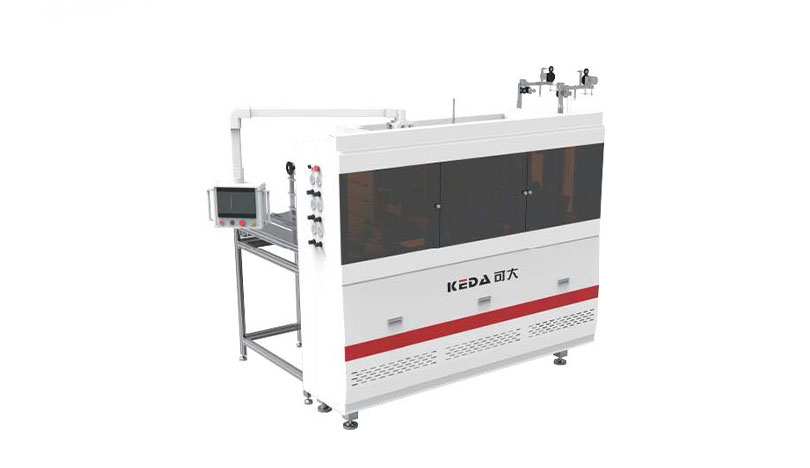
40 pcs/min Production Speed
Φ5mm (Customizable) Rope hole Dia
110mm Hand rope length
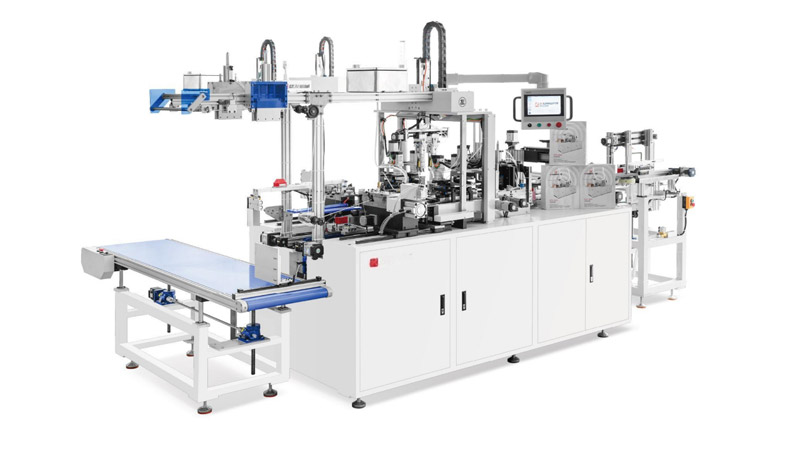
35-45 pcs/min Production speed
30-130mm Width Tag size
60-130mm length Tag size
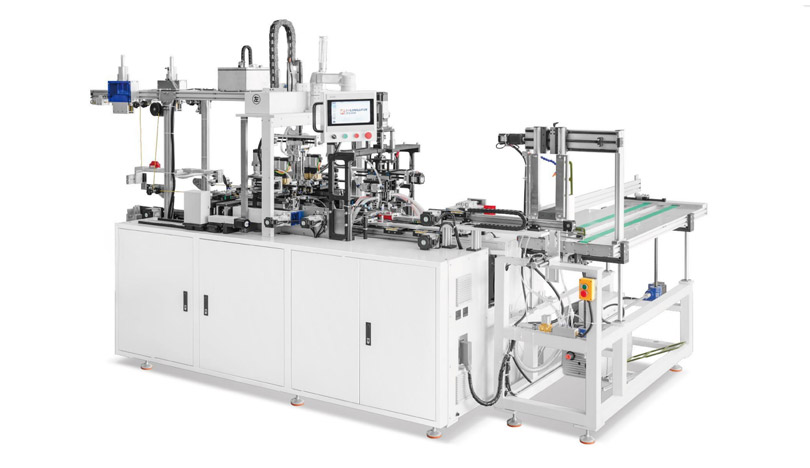
40-50pcs/min Production speed
50-220mm Paper bag hole distance
300-480mm (Including rope tension) Rope length
-Full-Automatic-Paper-Handbag-Buckle-Threading-Machine.jpg)
40-50pcs/min Production speed
75-170mm Paper bag hole distance
300-480mm Rope length
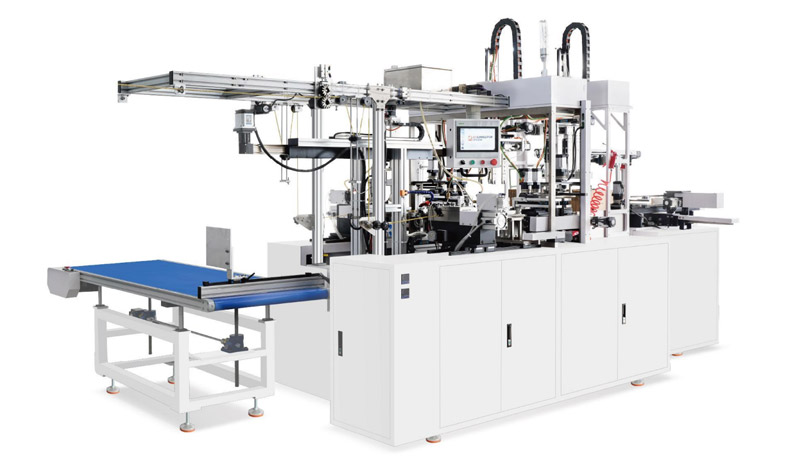
35-40 pcs/min Production speed
65-200mm Hole distance
340-520mm (Including rope tension) Rope length
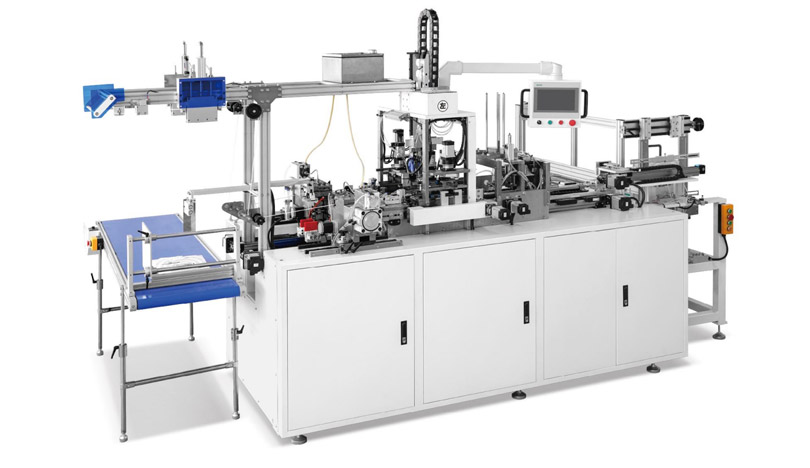
35-50 pcs/min Production speed
68-170mm Paper bag hole distance
300-480mm Rope length


Analysis
Consultation
Solution proposal
Quote
GET A QUOTE


E-Mail : [email protected]

Wechat / WhatsApp / Cell :+86- 13587960872

Adress :No. 508, East Third Road, Gexiang High tech Industrial Park, Rui'an City, Zhejiang Province China
Get in Touch
Copyright2024. Ruian Hongqiang printing Machinery CO. LTD. All Right Reserved SiteMap