
 English
 Español
Film laminating equipment serves the same fundamental purpose across the world—bonding fil...
 Jun 24,2026 Jun 24 , 2026
Film laminating equipment serves the same fundamental purpose across the world—bonding film to paper or board to enhance durability and visual appeal—but the factors that determine which machine a converter buys differ markedly from region to region. A specification checklist that works for a packaging operation in Gujarat will not fully satisfy the procurement requirements of a plant in Baden-Württemberg, and neither checklist aligns perfectly with what a folding carton converter in Ohio prioritises. These regional divergences stem from measurable differences in economic drivers, regulatory frameworks, energy costs, and labour availability, not from subjective preference. For any converter planning a capital purchase, understanding these geographic dynamics reduces the risk of buying equipment that is either over-specified for the local market or unable to meet its compliance obligations.
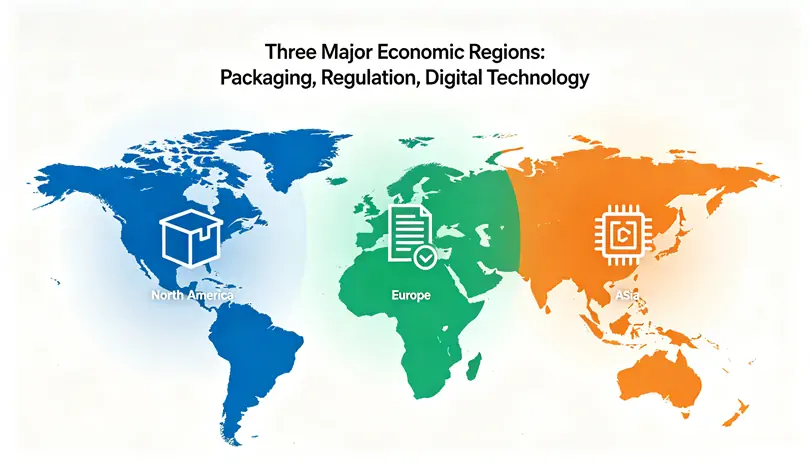
The Asia-Pacific region continues to account for the largest share of global laminating equipment installations. According to Smithers, Asia represented approximately 42% of global packaging print output in 2024, a share that is projected to grow through 2029 as e-commerce expansion and rising disposable incomes in India and Southeast Asia fuel demand for packaged goods. The flexible packaging segment is particularly active, with multi-layer film lamination being a core process for snack foods, personal care products, and pharmaceutical packaging.
In this environment, converters prioritise substrate range above most other specifications. A typical laminating line in the region may need to handle materials from 70 gsm lightweight paper to 350 gsm board, often switching between BOPP, PET, and increasingly mono-material barrier films on the same machine. Price sensitivity remains high relative to other regions, which means automation features are selected carefully: enough PLC control to ensure repeatable quality, but without the full MES integration and remote diagnostic packages common in European and North American installations. Flexible film lamination systems designed for multi-substrate production are gaining traction as local brands experiment with sustainable packaging structures without wanting to commit to single-film-dedicated lines. Explore flexible film lamination systems built for multi-substrate production.
Power consumption is an emerging concern. Electricity prices in India rose by an estimated 7-9% annually between 2020 and 2024, according to data from the Indian Ministry of Power, which has prompted larger converters to begin evaluating energy-efficient thermal laminators even when their upfront cost is higher. This is a shift from the historical pattern where the purchase price dominated the decision almost exclusively.
European demand for laminating equipment operates within a dense regulatory framework that directly shapes technical specifications. The EU Circular Economy Action Plan, adopted in 2020, sets binding targets for packaging recyclability by 2030, and the proposed Packaging and Packaging Waste Regulation (PPWR) introduces specific design-for-recycling requirements that extend to laminated structures. Under PPWR, packaging must be recyclable at scale by 2035, which has accelerated the shift toward mono-material barrier films that can be processed in existing recycling streams without delamination.
This regulatory direction translates into specific machine requirements. Mono-material films often have narrower thermal activation windows than multi-layer alternatives, demanding laminators that maintain temperature uniformity within ±2 °C across the full roller width. The European Committee for Standardisation (CEN) has been developing standards under CEN/TC 261 that address packaging recyclability testing, and while these are still evolving, equipment that can log and export process parameters per job—temperature, pressure, speed—is better positioned for compliance verification.
Energy cost is the other decisive factor. Eurostat data show that industrial electricity prices in Germany averaged approximately €0.20 per kWh in 2024, roughly triple the industrial rate in India and double that in many U.S. states. This makes power consumption per square metre of laminated output a central specification. European buyers routinely build 10-year total cost of ownership models that weigh energy consumption heavily, and a machine that consumes 15-20% less power than a comparable model can justify a significant price premium over its service life. Energy-efficient laminating equipment with job-level consumption tracking is increasingly treated as a baseline requirement for European tenders, not an optional upgrade. View energy-efficient laminating equipment with job-level consumption tracking
Safety certification follows well-established norms. CE marking under the Machinery Directive 2006/42/EC is non-negotiable, and many buyers specify additional compliance with ISO 13849 for safety-related control systems. Light curtains, dual-channel emergency-stop circuits, and automated film-break detection are standard features.
The North American market is characterised by replacement demand as converters retire ageing electromechanical laminators, combined with capacity expansion driven by e-commerce packaging growth. The U.S. Bureau of Labour Statistics reported that the printing and related support activities sector faced a quit rate averaging 2.7% per month during 2023, indicating persistent labour churn that makes operator training and retention a significant operational challenge. In this environment, automation features that reduce hands-on intervention—automated roll splicing, servo-driven registration, single-button job recall—are evaluated primarily through the lens of labour productivity rather than technological novelty.
Service infrastructure is a core purchasing criterion. Given the geographic spread of production facilities across the U.S. and Canada, converters place a premium on remote diagnostic capability and guaranteed response times. A laminator that supports Ethernet/IP or MQTT communication can feed real-time production data and fault codes to a manufacturer’s support team, enabling faster resolution than a service visit scheduled days after a breakdown. Modular laminating solutions that allow phased automation upgrades are gaining interest among mid-sized converters who prefer to add auto-splice or camera inspection capability in step with their own budget cycles rather than committing to a fully loaded machine upfront. Compare modular laminating solutions that scale with your production needs.
Regulatory pressure on packaging waste is growing but remains less unified than in Europe. State-level extended producer responsibility (EPR) laws have been enacted in California, Colorado, Maine, and Oregon, creating a patchwork that functionally pushes national and multi-regional converters toward the same design-for-recycling discipline that European regulations demand, even in the absence of a federal mandate.
The practical takeaway from these regional comparisons is that no single machine specification fits all markets. A converter operating exclusively in a price-sensitive Asian market may rationally prioritise substrate flexibility and purchase cost over energy monitoring and OPC UA connectivity. A European plant bidding on contracts from brand owners with public sustainability commitments needs documented energy consumption data and mono-material processing capability. A North American converter facing labour shortages prioritises automation and after-sales support over incremental specification improvements elsewhere.
For groups that operate across multiple regions, the challenge is finding a platform that can be factory-configured to meet the regulatory and operational profile of each site without creating a fragmented equipment fleet that complicates maintenance and spare parts management. An automatic laminating machine built on a modular architecture—where heating method, automation level, and connectivity package can be selected to regional requirements while sharing a common mechanical base—addresses this tension.
The next five years will likely see some convergence: energy costs are rising globally, labour constraints are spreading beyond North America and Europe, and packaging sustainability requirements are expanding from Europe to other major markets. Converters who select an automatic laminating machine with headroom in thermal precision and digital connectivity will now be better positioned if regional requirements tighten faster than expected.
For converters seeking equipment that can be specified to regional requirements without compromise, HONGQIANG’s region-configurable laminating systems are engineered on a modular platform that accommodates the differing priorities of Asian, European, and North American production environments, supported by application teams familiar with local compliance requirements. Discover HONGQIANG’s region-configurable laminating systems
Disclaimer: Regional market data cited is derived from publicly available sources, including Smithers, Eurostat, the U.S. Bureau of Labour Statistics, and the Indian Ministry of Power, and represents general market estimates. Equipment purchasing decisions should be based on your specific production requirements, local regulatory obligations, and direct consultation with equipment manufacturers.
Jun 24,2026Jun 15,2026Jun 09,2026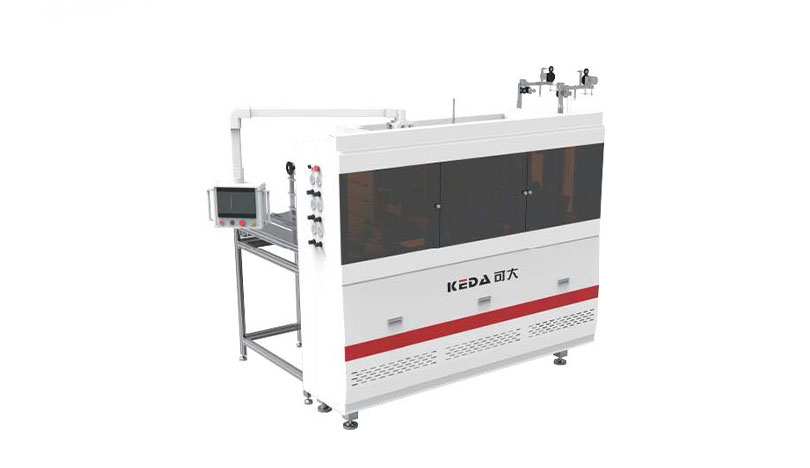
40 pcs/min Production Speed
Φ5mm (Customizable) Rope hole Dia
110mm Hand rope length
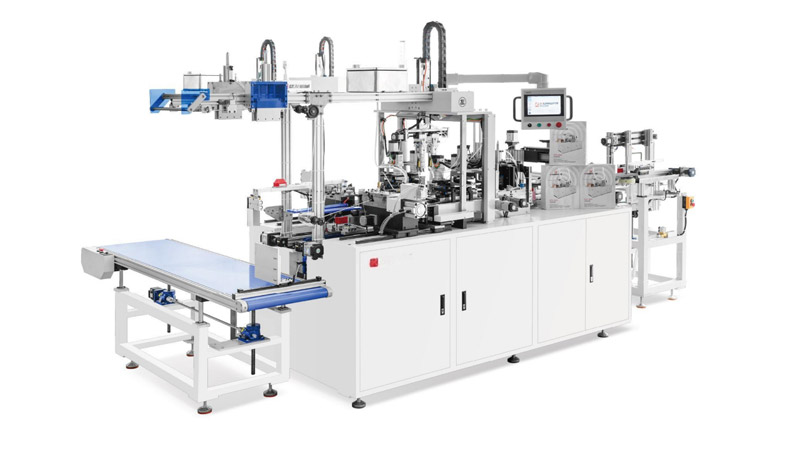
35-45 pcs/min Production speed
30-130mm Width Tag size
60-130mm length Tag size
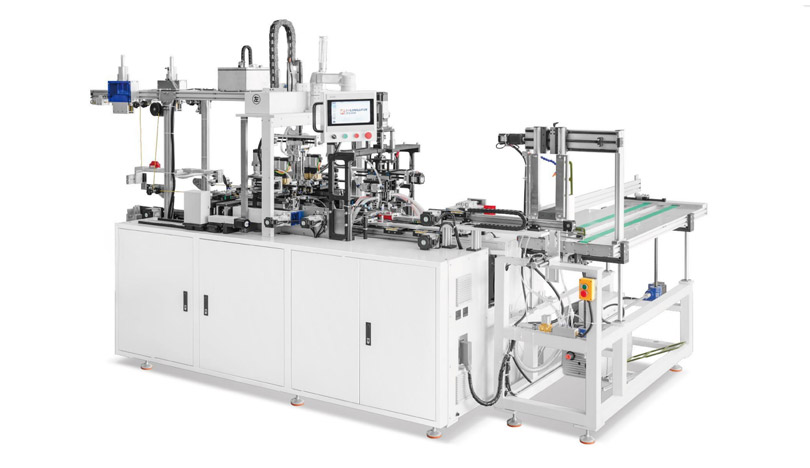
40-50pcs/min Production speed
50-220mm Paper bag hole distance
300-480mm (Including rope tension) Rope length
-Full-Automatic-Paper-Handbag-Buckle-Threading-Machine.jpg)
40-50pcs/min Production speed
75-170mm Paper bag hole distance
300-480mm Rope length
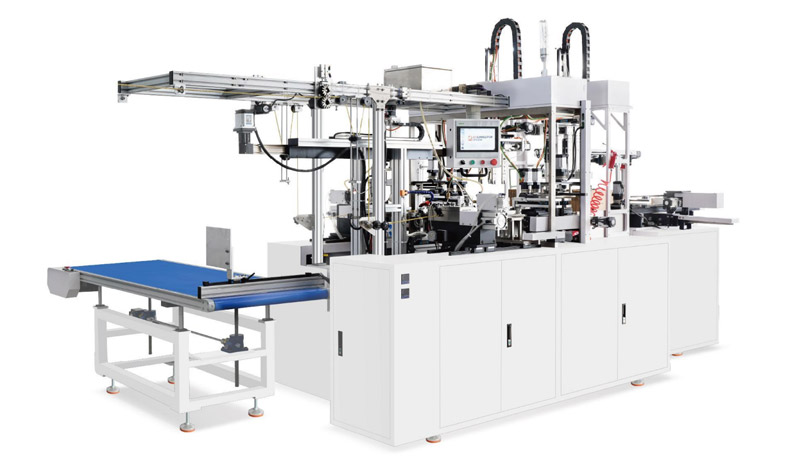
35-40 pcs/min Production speed
65-200mm Hole distance
340-520mm (Including rope tension) Rope length
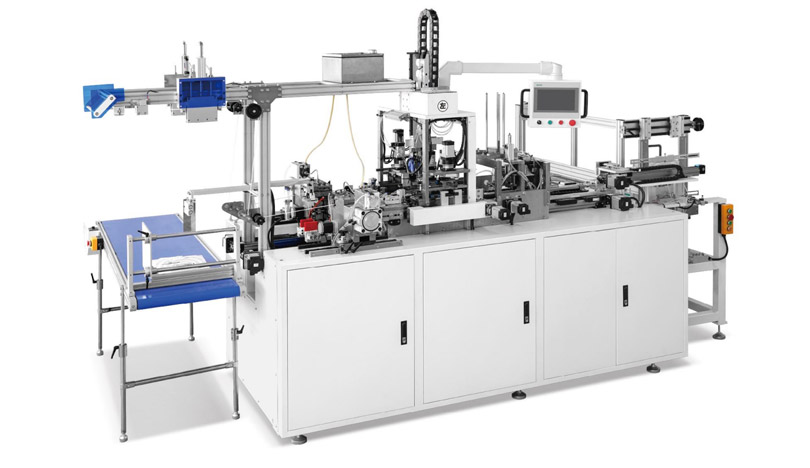
35-50 pcs/min Production speed
68-170mm Paper bag hole distance
300-480mm Rope length


Analysis
Consultation
Solution proposal
Quote
GET A QUOTE


E-Mail : [email protected]

Wechat / WhatsApp / Cell :+86- 13587960872
Get in Touch
Copyright2024. Ruian Hongqiang printing Machinery CO. LTD. All Right Reserved SiteMap
