
 English
 Español
Inconsistent print quality and unplanned downtime on screen printing lines are rarely caus...
 Jul 01,2026 May 22 , 2026
In modern printing environments, post-press finishing is no longer a “secondary step.” It directly impacts product durability, visual appeal, and customer satisfaction. Among all finishing processes, lamination plays one of the most critical roles—especially for commercial packaging, book covers, and high-end marketing materials.
However, many print shop owners face a recurring challenge: choosing equipment that balances speed, stability, and material compatibility without over-investing in unnecessary complexity.
This guide breaks down the key decision factors so you can make a more informed and future-proof investment.
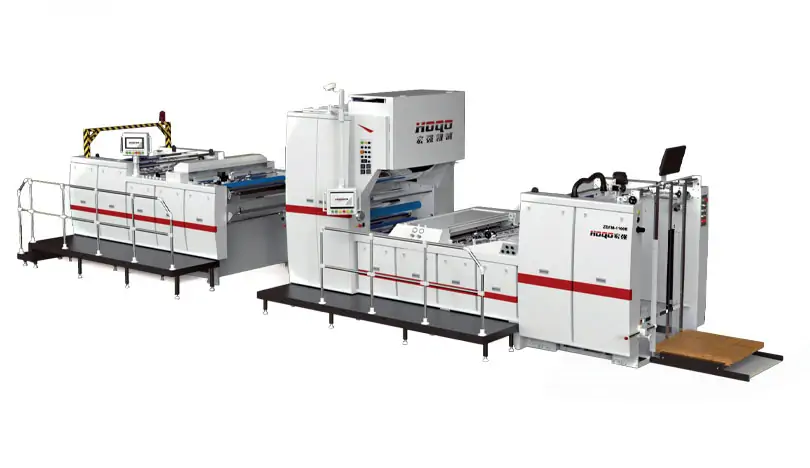
Before comparing specifications, it is important to understand what your production line actually needs. Many buyers focus only on speed or size, but ignore workflow continuity, film stability, and operator efficiency.
A well-structured lamination process should ensure:
• Stable film tension control
• Consistent heat distribution
• Minimal manual intervention
• Compatibility with coated and uncoated paper
When these factors are aligned, production becomes predictable, and waste is significantly reduced.
For shops looking to explore advanced film handling systems designed for stable production output, you can review this configuration example:
high-speed film lamination workflow system
This type of setup is often preferred by medium to large print facilities aiming to reduce downtime caused by manual adjustments.
One of the most overlooked issues in print finishing is substrate variation. Paper thickness, coating type, and ink absorption levels can all affect lamination results.
For example:
• Gloss-coated paper may trap air bubbles if the pressure is uneven
• Thin paper may curl under excessive heat
• Digital prints may require lower-temperature lamination cycles
These variations mean that a flexible system is far more valuable than a rigid high-speed-only machine.
In ISO 12647 printing environments, maintaining consistent surface finishing is critical for colour accuracy and branding consistency.
To better understand how adjustable configurations improve output stability, explore this technical breakdown: Adjustable print finishing configuration overview
This helps operators match machine parameters to different production batches without constant recalibration.
Many print shop owners assume faster equipment automatically increases profitability. In reality, unstable high-speed operation often leads to:
• Higher film waste
• Rework due to bubbling or misalignment
• Increased operator supervision
• Shortened component lifespan
This is where a properly engineered lamination system becomes essential. Interestingly, the so-called “high-speed mode” of an Automatic Laminating Machine is only effective when pressure, heat, and feeding systems are synchronised.
Without this balance, speed becomes a liability rather than an advantage.
If your production line is scaling beyond short-run jobs, it is worth reviewing integrated automation solutions designed for consistent throughput:
industrial print finishing automation solution
This type of system is typically used in packaging and commercial printing environments where consistency matters more than raw speed spikes.
Even the most advanced equipment can become inefficient if it requires constant manual adjustments. Modern print shops increasingly prioritise:
• Quick roll replacement systems
• Automated temperature calibration
• Easy-access maintenance structure
• Real-time error detection
These features reduce downtime and allow operators to focus on production quality instead of machine troubleshooting.
From a long-term cost perspective, maintenance efficiency often has a greater impact on ROI than initial purchase price.
In fact, industry surveys in commercial print facilities show that downtime reduction of just 10–15% can significantly increase annual output capacity without additional labour costs.
Comparative Overview: What to Look at Before Purchasing
Below is a simplified comparison framework used by many production managers:
| Factor | Low‑End System | Advanced System |
| Film Tension Control | Manual | Automatic |
| Temperature Stability | Variable | Precision‑controlled |
| Material Compatibility | Limited | Wide range |
| Operator Dependency | High | Low |
| Waste Rate | Higher | Lower |
This comparison highlights why many growing print shops eventually transition to more integrated solutions instead of basic entry-level systems.
Today’s printing industry is moving toward fully integrated workflows, where printing, cutting, and finishing are connected into a seamless production line.
A key advantage of this approach is reduced handling time between processes, which improves both efficiency and consistency.
For businesses planning to upgrade their finishing section, reviewing scalable configurations can be a practical first step:
scalable print finishing system overview
This approach allows print shops to expand capacity gradually without replacing the entire production setup.
Consider a mid-sized packaging print shop handling cosmetic boxes. The main challenge is maintaining a consistent gloss finish across multiple batches while switching between different paper coatings.
After upgrading to a more automated system, the shop typically experiences:
• Reduced setup time between jobs
• Fewer lamination defects
• More consistent gloss levels
• Improved delivery timelines
Over time, these improvements translate into stronger customer retention and higher order volume capacity.
When evaluating lamination equipment, avoid focusing solely on speed or price. Instead, prioritise:
• Stability of operation
• Material adaptability
• Workflow automation level
• Long-term maintenance efficiency
If your production line is expanding or dealing with increasingly diverse materials, investing in a more advanced Automatic Laminating Machine can help standardise output quality and reduce operational risks.
For print shops looking to upgrade their finishing capabilities, HONGQIANG provides scalable solutions designed for commercial production environments:
Request professional lamination solution guidance
Jul 01,2026Jun 24,2026Jun 15,2026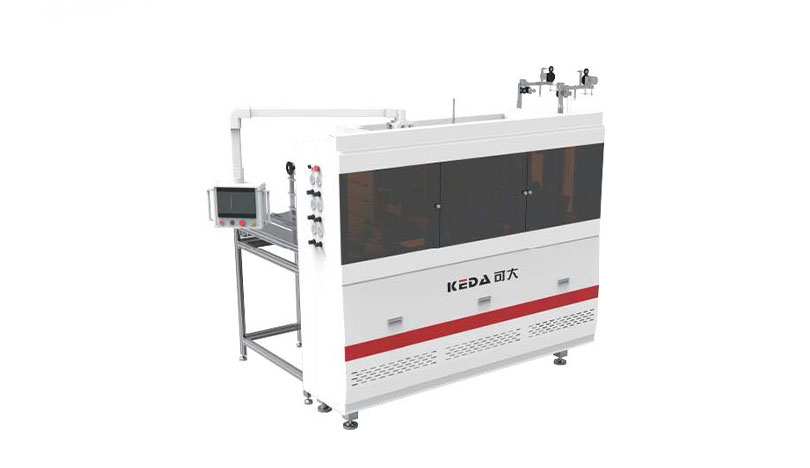
40 pcs/min Production Speed
Φ5mm (Customizable) Rope hole Dia
110mm Hand rope length
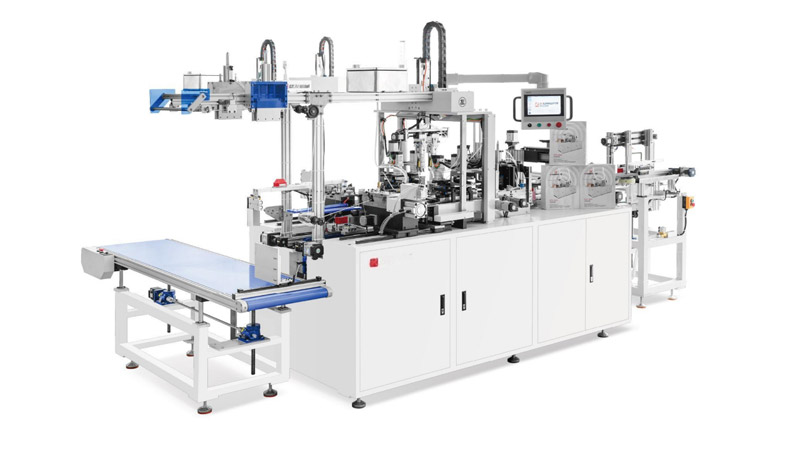
35-45 pcs/min Production speed
30-130mm Width Tag size
60-130mm length Tag size
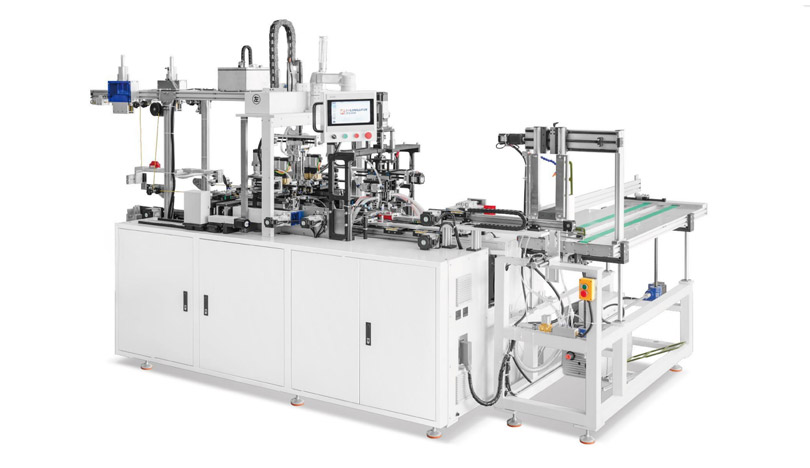
40-50pcs/min Production speed
50-220mm Paper bag hole distance
300-480mm (Including rope tension) Rope length
-Full-Automatic-Paper-Handbag-Buckle-Threading-Machine.jpg)
40-50pcs/min Production speed
75-170mm Paper bag hole distance
300-480mm Rope length
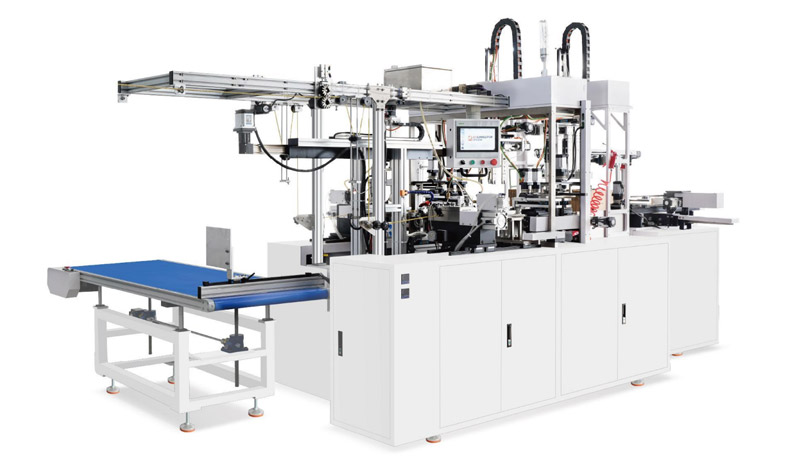
35-40 pcs/min Production speed
65-200mm Hole distance
340-520mm (Including rope tension) Rope length
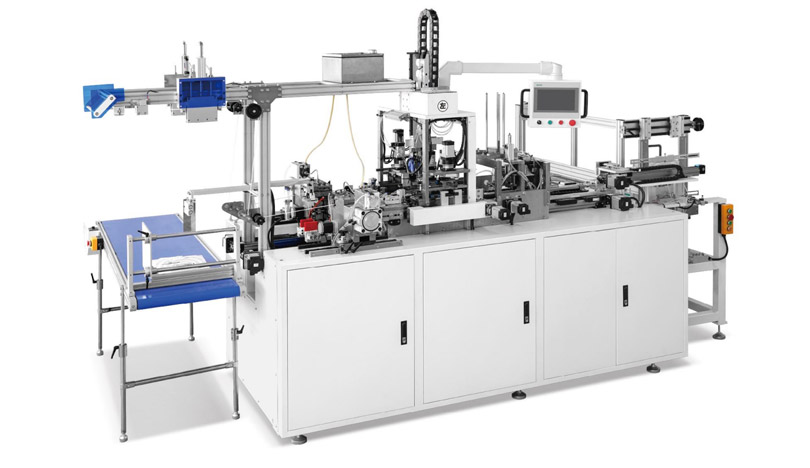
35-50 pcs/min Production speed
68-170mm Paper bag hole distance
300-480mm Rope length


Analysis
Consultation
Solution proposal
Quote
GET A QUOTE


E-Mail : [email protected]

Wechat / WhatsApp / Cell :+86- 13587960872

Adress :No. 508, East Third Road, Gexiang High tech Industrial Park, Rui'an City, Zhejiang Province China
Get in Touch
Copyright2024. Ruian Hongqiang printing Machinery CO. LTD. All Right Reserved SiteMap