
 English
 Español
Inconsistent print quality and unplanned downtime on screen printing lines are rarely caus...
 Jul 01,2026 Dec 18 , 2025
As global plastic bans tighten and consumers demand eco-friendly packaging, paper bags have emerged as the go-to solution for retailers, food chains, and e-commerce brands. For businesses looking to capitalize on this $20+ billion paper bag market, a paper bag making machine isn’t just equipment—it’s a gateway to sustainable growth, cost savings, and compliance with environmental regulations. Whether you’re a small startup or a large-scale packaging manufacturer, this guide covers everything you need to know about paper bag making machines: types, benefits, key features, and how to choose the right model to scale your business.

A paper bag making machine is a specialized piece of equipment designed to automate the production of paper bags from raw materials (e.g., kraft paper, recycled paper, or coated paper). Unlike manual bag-making (which is labor-intensive and slow), these machines streamline the entire process—from unwinding paper rolls to folding, gluing, cutting, and forming finished bags—with minimal human intervention. Modern models integrate advanced technology to deliver consistent quality, high speed, and versatility for different bag types.
Paper bag making machines come in various configurations to suit different production volumes, bag styles, and budget needs. Below are the most common types, along with their ideal use cases:
•Best for: Small businesses, startups, or low-volume production .
•Key Features: Hand-operated feeding, manual folding/gluing, and basic cutting mechanisms.
•Bag Types: Simple styles .
•Pros: Affordable , compact design (fits small workshops), and easy to operate .
•Cons: Slow production speed, limited to thin paper , and requires significant labor.
•Best for: Medium-sized businesses or growing startups .
•Key Features: Motorized unwinding, automatic folding/gluing, manual feeding of handles (if applicable), and digital speed controls.
•Bag Types: Flat bags, gusseted bags, or simple vest bags (t-shirt bags).
•Pros: Faster than manual models, handles thicker paper, and reduces labor costs.
•Cons: Limited to basic bag styles, requires occasional operator oversight.
•Best for: Large-scale manufacturers or high-volume production.
•Key Features: PLC (Programmable Logic Controller) control, automatic handle feeding (for vest bags), servo-driven precision, and integrated quality checks.
•Bag Types: Vest bags, flat bottom bags, gusseted bags, and custom-printed bags.
•Pros: High speed , consistent quality, minimal labor, and supports thick paper.
•Cons: Higher initial investment , requires basic technical training.
•Best for: Industrial-grade production or businesses requiring custom designs.
•Key Features: Advanced CNC controls, automatic die-cutting, inline printing (flexo or digital), and real-time production monitoring.
•Bag Types: Premium flat bottom bags, luxury gift bags, eco-friendly grocery bags, and custom-shaped bags.
•Pros: Ultra-fast speed , ±0.1mm precision, supports recycled paper and specialty materials, and reduces waste.
•Cons: Highest investment , larger footprint, and requires skilled operators.
•Flat Bottom Paper Bag Machines: Ideal for sturdy bags that stand upright.
•Vest Bag Machines: Focus on t-shirt-style bags .
•Eco-Friendly Paper Bag Machines: Optimized for recycled or biodegradable paper, with energy-saving features to reduce carbon footprint.
For businesses transitioning to paper packaging or scaling production, a paper bag making machine delivers measurable value:
Manual paper bag production requires 3–5 workers per 1,000 bags. A fully automatic machine can produce 10,000+ bags with just 1–2 operators, eliminating the need for seasonal labor or overtime. For a medium-sized enterprise, this means a significant amount of labor costs every month.
Consumer demand for paper bags is growing at 8–10% annually (driven by plastic bans in Europe, Asia, and North America). A high-speed paper bag making machine lets you scale output to meet peak seasons (e.g., holidays, sales) without delays. For example, a fully automatic model producing 150 bags/minute can create 72,000 bags in an 8-hour shift—far more than manual production (≈4,800 bags/shift).
Poorly made paper bags damage customer trust. Paper bag making machines use precision controls to ensure every bag has uniform dimensions, strong seams, and clean finishes. This consistency enhances your brand’s reputation as a reliable, high-quality supplier—critical for retaining retail or e-commerce clients.
Manual production wastes 10–15% of paper due to human error. Modern machines minimize waste to 2–3% by optimizing material usage, precise cutting, and automated quality checks. For a business using 5 tons of kraft paper monthly, this saves 400–650kg of paper.
Over 100 countries have implemented plastic bag bans or taxes. Investing in a paper bag making machine lets you pivot to eco-friendly packaging, avoiding fines and tapping into the growing “green consumer” market. Many machines also support recycled or biodegradable paper, helping you achieve sustainability certifications .
Follow these steps to select a machine that aligns with your production needs, budget, and long-term goals:
•Low volume (≤5,000 bags/day): Manual or semi-automatic models (cost-effective for startups).
•Medium volume (5,000–50,000 bags/day): Fully automatic machines (balance of speed and investment).
•High volume (≥50,000 bags/day): CNC or industrial-grade models (scalable for global clients).
•Bag style: Do you need vest bags (retail), flat bottom bags (grocery), or custom gift bags? Choose a machine specialized for your core product.
•Material: Will you use thin kraft paper or thick, coated paper? Ensure the machine’s cutting and gluing mechanisms support your material.
•Customization: Do you need inline printing or die-cutting? Opt for CNC models with integrated printing modules.
•Automation Level: PLC controls for easy operation, automatic handle feeding, and inline quality checks.
•Speed & Precision: Look for machines with servo motors (for consistent speed) and ±0.1mm cutting accuracy.
•Energy Efficiency: Choose models with energy-saving motors (reduces monthly utility costs) and compliance with CE/ISO standards.
•After-Sales Support: Critical for minimizing downtime—select manufacturers offering 24/7 technical support, spare parts, and on-site training.
At Hongqiang, we engineer paper bag making machines for businesses of all sizes—from compact semi-automatic models to high-speed CNC systems. Our machines stand out for:
•Sustainable Design: Optimized for recycled and biodegradable paper, with energy-saving features that reduce carbon footprint by 30%.
•Unmatched Versatility: Supports 80–300gsm paper and 10+ bag types (vest, flat bottom, gusseted, custom-printed).
•Precision & Durability: Heavy-duty steel construction, servo-driven controls, and high-quality blades .
•User-Friendly Technology: Intuitive PLC touchscreens, template storage for custom bags, and remote monitoring .
•Global Support: 24/7 technical assistance, 3-year warranty, and on-site training to ensure you maximize productivity from day one.
Our clients include small local retailers, mid-sized packaging firms, and global brands—all leveraging our machines to meet sustainability goals and scale their businesses.
A paper bag making machine is more than an investment in equipment—it’s an investment in a sustainable, profitable future. With plastic bans expanding and consumer demand for eco-friendly packaging rising, now is the perfect time to upgrade your production line.
Contact Hongqiang today to:
•Request a free personalized demo
•Get a custom quote tailored to your production needs
•Download our exclusive guide
Jul 01,2026Jun 24,2026Jun 15,2026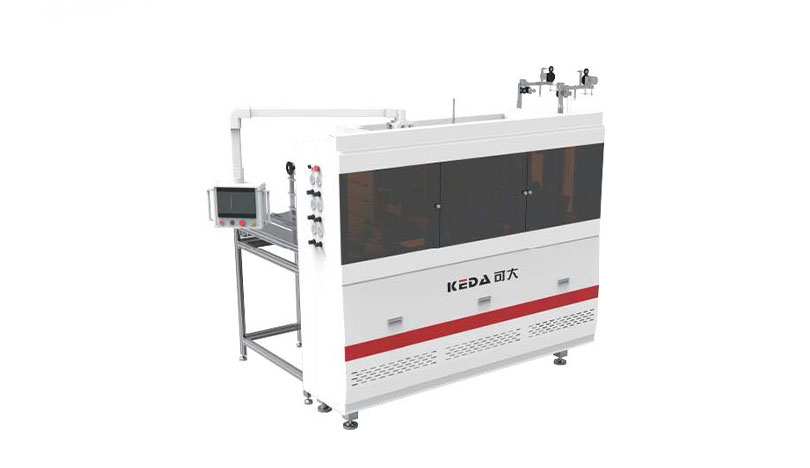
40 pcs/min Production Speed
Φ5mm (Customizable) Rope hole Dia
110mm Hand rope length
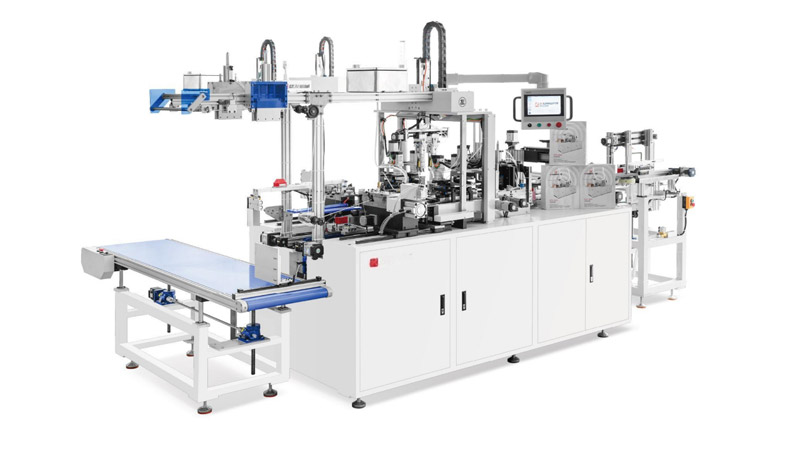
35-45 pcs/min Production speed
30-130mm Width Tag size
60-130mm length Tag size
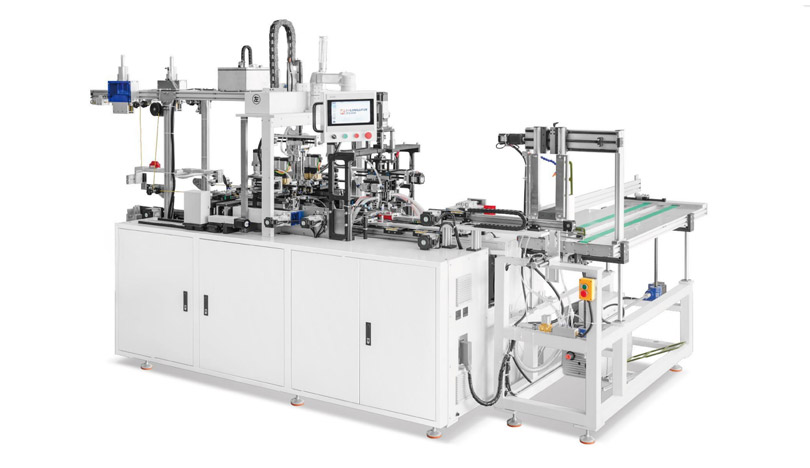
40-50pcs/min Production speed
50-220mm Paper bag hole distance
300-480mm (Including rope tension) Rope length
-Full-Automatic-Paper-Handbag-Buckle-Threading-Machine.jpg)
40-50pcs/min Production speed
75-170mm Paper bag hole distance
300-480mm Rope length
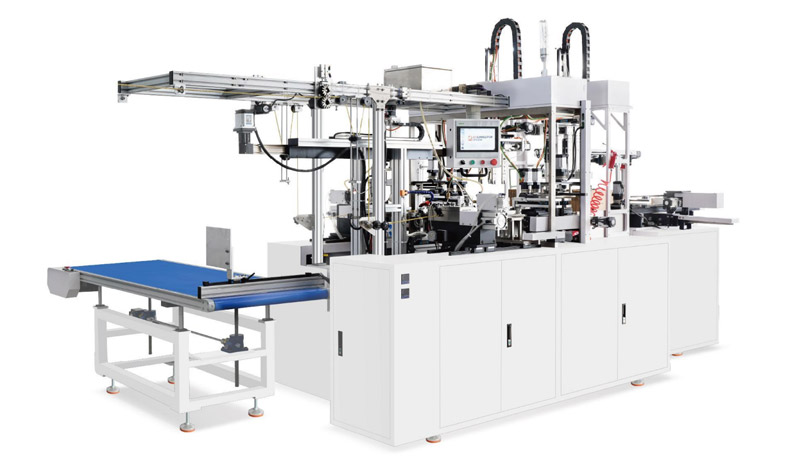
35-40 pcs/min Production speed
65-200mm Hole distance
340-520mm (Including rope tension) Rope length
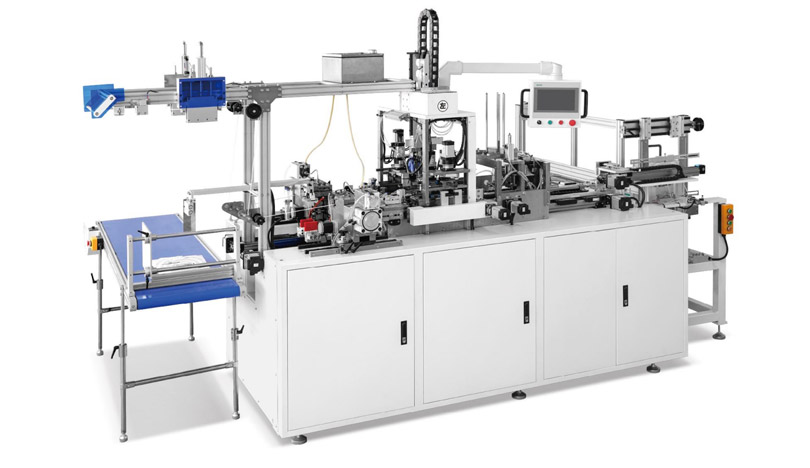
35-50 pcs/min Production speed
68-170mm Paper bag hole distance
300-480mm Rope length


Analysis
Consultation
Solution proposal
Quote
GET A QUOTE


E-Mail : [email protected]

Wechat / WhatsApp / Cell :+86- 13587960872

Adress :No. 508, East Third Road, Gexiang High tech Industrial Park, Rui'an City, Zhejiang Province China
Get in Touch
Copyright2024. Ruian Hongqiang printing Machinery CO. LTD. All Right Reserved SiteMap